A Field Guide to Reading a Street: Four Elements That Tell Its Story
Opening Observation: On a midweek morning I stood at the corner of a narrow lane and watched two cyclists weave through delivery vans, a child hopscotched across a loose paving slab, and an elderly woman leaned on the kerb to tie her shoe. The lane’s story was written not in grand architecture but in small things: the worn edges of steps, the pattern of paving repairs, the spacing of trees, and the way people used the margins. This short field guide outlines four elements to look for when you want to read a street quickly and usefully.
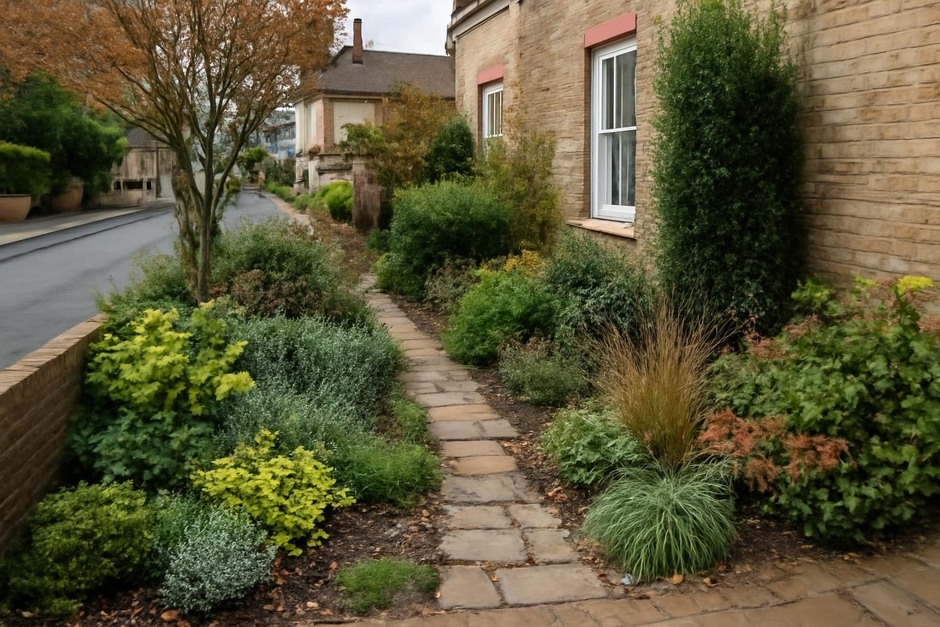
1. Edges: Where the Street Meets Buildings and Landscape
What to look for: thresholds, shopfront bases, kerbs, setbacks, and boundary walls. Edges reveal how public and private life are separated or mingled.
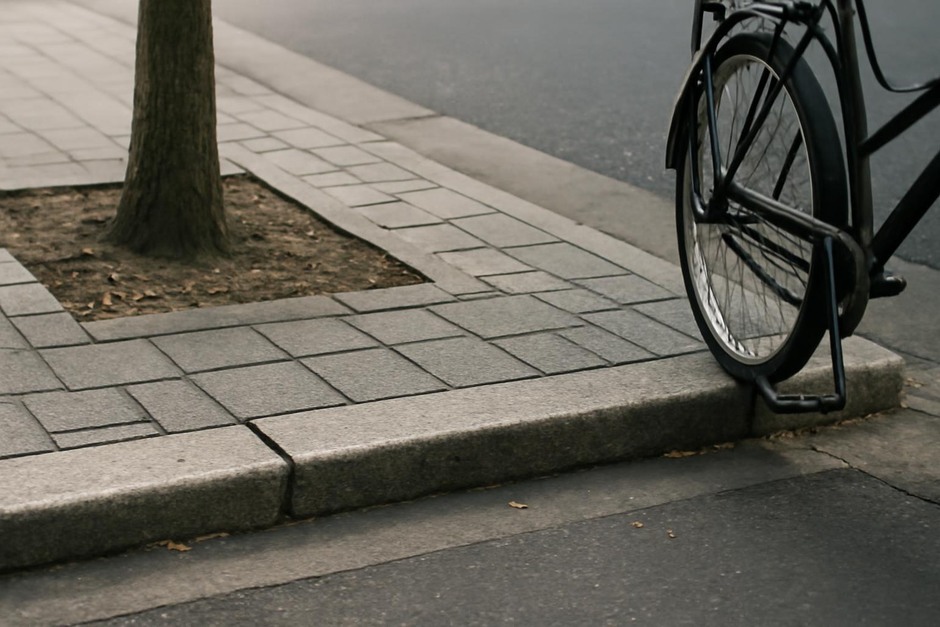
- Kerb height and continuity. A raised continuous kerb suggests a clear vehicle/pedestrian hierarchy; a flattened or dropped kerb indicates frequent crossings or informal uses like double parking and loading.
- Threshold treatments. Recessed stoops, steps, or defined shop sills show deliberate thresholds; plants, signs, and mats are signs of people claiming the edge as semi-public space.
- Gaps and hard edges. Long blank walls or uninterrupted fences create impermeable edges; regular gateways, alleys, and gaps suggest permeability and smaller-scale movement patterns.
Field prompt: Walk the block counting formal entrances, dropped kerbs, and any spots where people habitually sit or leave items. Note the locations on a simple sketch.
2. Surfaces: Paving, Repairs, and Material Stories
What to look for: material choices, wear patterns, maintenance, and patchwork. The surface palette tells you about budgets, priorities, and the pace of change.
- Material mix. Stone flags, concrete slabs, asphalt, and cobbles each imply different eras and maintenance regimes. A change from one material to another often marks a shift in use or a patch of renewal.
- Repair patterns. Small, frequent repairs suggest reactive maintenance; large uniform repaves indicate investment or redesign.
- Wear and micro-topography. Grooves from trolley wheels, polished stone where feet pass, or puddling in depressions all point to how people and vehicles move.
Field prompt: Trace three worn lines across paving (eg. the most polished pedestrian route, a bicycle rut, and a wheel rut). Photograph or sketch them to compare intensity.
3. Scale and Proportion: Human Measures in the Street
What to look for: building heights relative to street width, the spacing of trees and lampposts, and the size of doorways and windows. Scale determines comfort and enclosure.
- Street width to building height ratio. Narrow streets with tall buildings feel enclosed and can be calming; wide streets with low buildings can feel exposed and favor movement over lingering.
- Element spacing. Frequent trees or lampposts create rhythmic human-scale intervals; sparse spacing pushes toward vehicular priority.
- Human-scale features. Benches, low windows, and shop signs at eye level encourage interaction; high blank facades discourage it.
Field prompt: Measure (or estimate) one building’s height and the street width where it fronts. Note whether the proportions encourage walking, stopping, or simply passing through.
4. Movement and Use: Patterns Over a Day
What to look for: flows of people, vehicles, deliveries, and informal activities like street vending or children playing. Movement patterns reveal the rhythm and functional pressures of a place.
- Peak uses. Observe at two different times (for example morning and late afternoon). Is the street a commuter corridor, a delivery hub, or a social lane?
- Short stops and long stays. Note where people pause—benches, shopfront ledges, tree pits—and where they only pass through. These stopping points mark social potential.
- Conflict points. Locations where bikes, cars, and pedestrians frequently converge indicate design mismatches or successful shared-space solutions.
Field prompt: Spend ten minutes in three different spots and tally passing people, cyclists, parked vehicles, and stationary activities. Use the counts to infer priorities and friction points.
Measured Conclusion
Reading a street is an exercise in attentive synthesis. Edges tell you about ownership and thresholds, surfaces reveal maintenance and use histories, scale sets comfort and enclosure, and movement exposes daily priorities and pressures. Together these four elements form a compact diagnostic toolkit you can use on any block in under an hour. The value of the method is not only in the facts you record but in the questions they prompt: who benefits from this layout, where could small changes improve comfort, and which signs point to larger opportunities for stewardship? Keep a small notebook, sketch the key lines you notice, and return at another hour or season—the street will always offer more to learn.